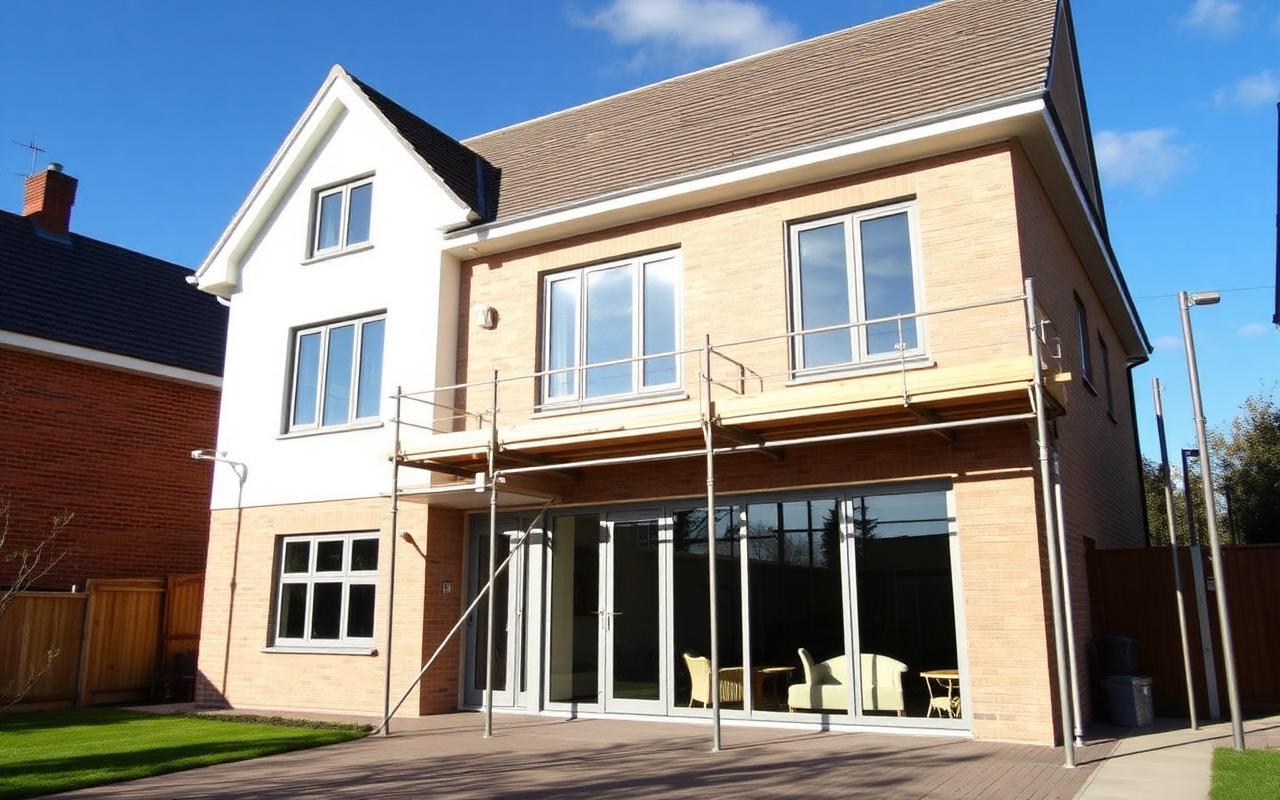
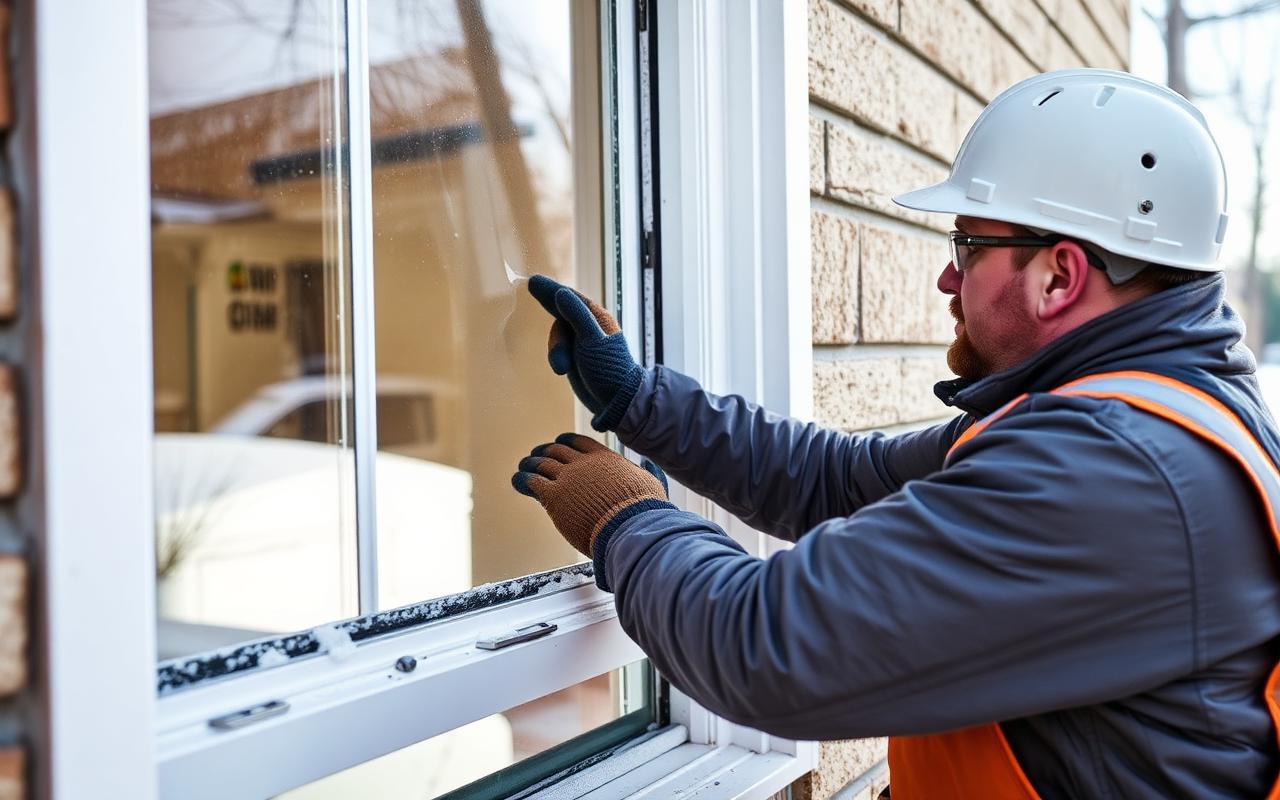
PU foams technically work down to −5 °C, but good installation in winter conditions takes more than the right materials.
Many clients postpone joinery installation until spring, on the assumption that we „don't work“ in winter. Technically that's not true — our team works year-round, December and January included. But there are a few rules that are stricter in the winter months.
The PU foams we use for fixing and insulating openings are winter formulations rated down to −5 °C. Crucially: the temperature has to be ≥ −5 °C both during application and through the full curing period (24 h). Profile gaskets (EPDM) stay elastic well below that, but working with silicones and PU foams at −10 °C does not deliver reliable results.
Second rule: dew and condensation. A cold profile brought into a warm space immediately develops condensation that can damage the inner sealing layer. Our protocol is to acclimatise the joinery indoors for at least 12 hours before installation.
Third: building moisture. New construction in winter carries high humidity from evaporating water in fresh concrete and plaster. If windows are installed in those conditions, you'll see exterior condensation on the glass on the first morning — that's an aesthetic issue, not a fault.
Practical recommendations: in winter, schedule installation for the morning hours when temperature is rising, not falling. Check whether heating is available on site — we work without it too, but it's easier with. And, most importantly, don't postpone the season because of the winter myth — we work all year because both our materials and our skills allow it.