The price gap between double and triple glazing isn't trivial. Here's when the investment is economically justified, and when it's only about comfort.
Over the last five years triple glazing has become standard in Germany and Slovenia, but on the Bosnian market double glazing is still often installed. The reason is partly cost, partly the mistaken belief that triple glazing isn't needed in our climate.
The numbers: typical double glazing has Ug = 1.1 W/m²K, triple Ug = 0.5 W/m²K. More than double the difference. In concrete terms — for a 1.5 × 1.5 m window, moving from Ug 1.1 to Ug 0.5 saves around 35 kWh per year on that single window. For an average house with 25 m² of joinery that's roughly 580 kWh per year, or financially about €45–55 per heating season depending on the energy source.
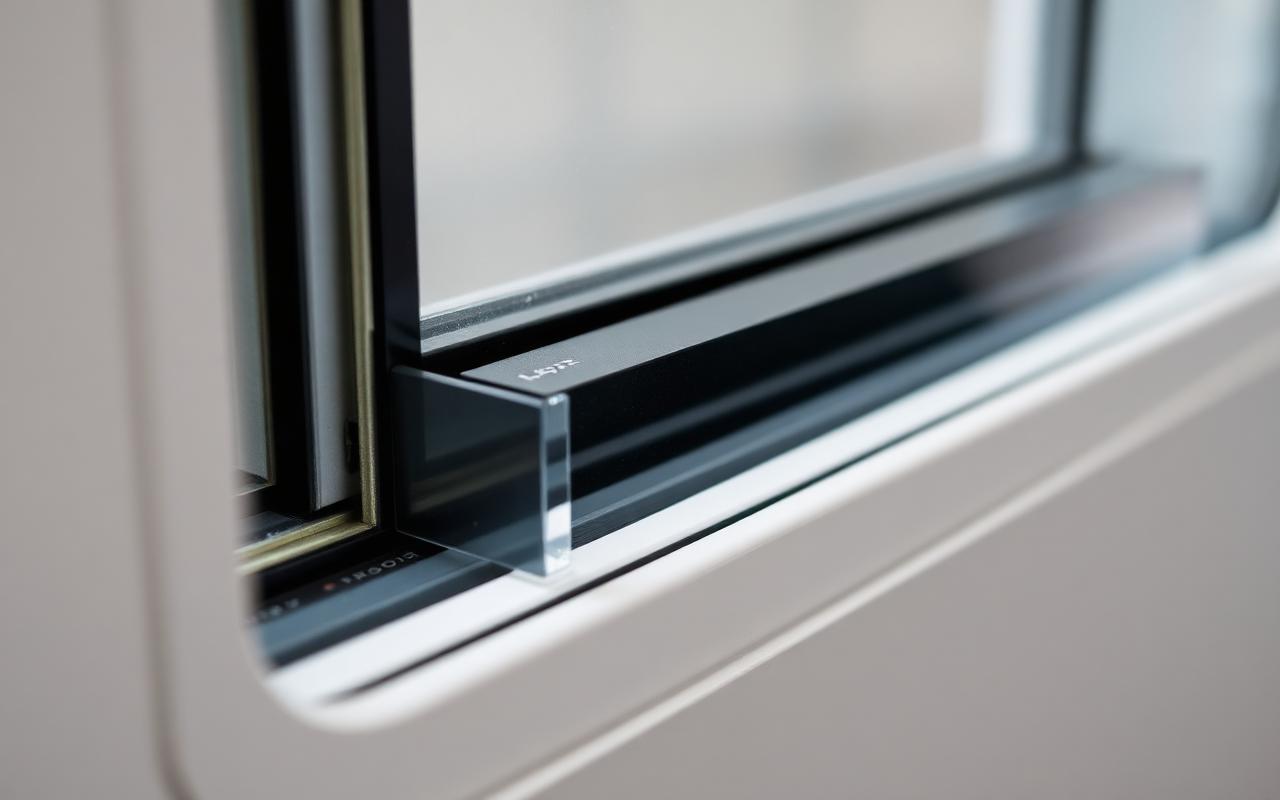
That said, triple glazing has trade-offs. The weight is about 50% greater, requiring reinforced hardware and sometimes a stronger sash. In south-facing rooms it can reduce winter solar gain (the g-value is lower), which paradoxically can increase heating demand in a properly oriented building.
Our recommendation: in the continental part of BiH (Sarajevo, Tuzla, Banja Luka), where the heating season lasts 6+ months, triple glazing pays back in 4–6 years. In Herzegovina and Dalmatia the case is tighter — there we often recommend double glazing with a low-emissivity coating (Ug = 1.0) as the optimal techno-economic solution.